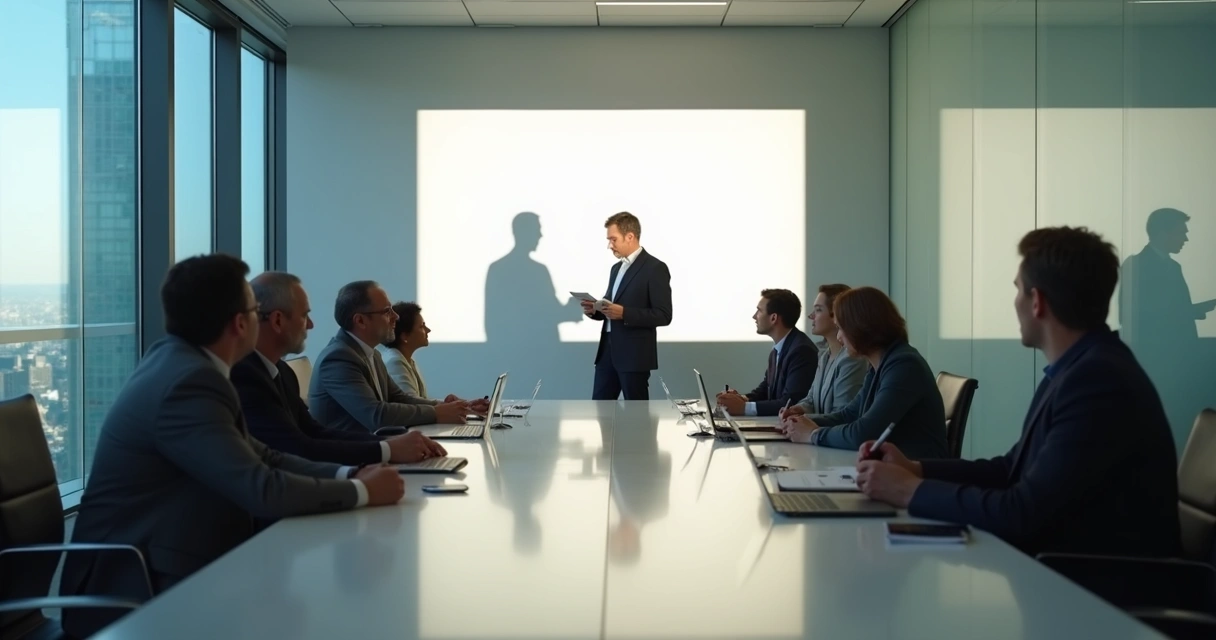

Unconscious bias shapes many of the decisions teams make every day. It creeps in subtly, often directing opinions, influencing outcomes, and even shaping team culture—all without anyone noticing. As people come together to solve problems, biases from individual backgrounds, upbringing, and experiences shadow the process. We have found that when these biases stay hidden, they can lower trust, block innovation, and lead to unfair outcomes.
Recognizing unconscious bias in team decisions is not about placing blame. Rather, it is a chance to grow. The process opens the door for more honest, respectful, and fair teamwork. If we want teams to thrive—and create results everyone believes in—learning to spot and talk about bias is a key step.
Why unconscious bias appears in teams
If we sit in a meeting and ask everyone if they hold biases, most people will insist they don’t. This is not a lack of honesty. Unconscious bias operates beneath our level of awareness. It's shaped by countless social and psychological influences absorbed over time. We act on patterns and associations without stopping to question them.
Unconscious bias influences team decisions by making some ideas seem better or some people seem more reliable, simply because they fit our hidden expectations. When we are honest with ourselves, we notice that these feelings can shape who gets heard, whose opinions carry weight, and which solutions get picked—often without real logic to back this up.
Common types of unconscious bias in teams
Over the years, we have noticed certain biases show up most often in team settings. Recognizing these patterns is the first move toward stopping them:
- Affinity bias: Favoring people who share our background, interests, or values.
- Confirmation bias: Paying more attention to information that supports our own ideas, while ignoring the rest.
- Groupthink: Agreeing with the group even if we feel unsure—just to avoid conflict or stand out.
- Attribution bias: Blaming someone’s personality for mistakes, but explaining our own by circumstance.
- Halo effect: Letting one positive trait (like confidence or experience) color our judgment of everything a person does.
These are just a few examples. The important thing is that nobody is immune. With every decision, it pays to pause, reflect, and ask where our faith in an idea or person is truly coming from.

How unconscious bias shows up in decision making
Bias is rarely loud. It whispers. Team members might notice certain voices get more time in meetings. Sometimes, an idea is praised just because it comes from someone regarded as “expert.” At other times, disagreement feels risky, so nobody pushes back even when they see flaws. We have watched teams fall into routines, sticking to the familiar at the cost of new solutions.
One clear sign of bias is when team decisions repeatedly leave out certain perspectives, voices, or suggestions, even when they have value. Patterns like these should prompt us to pause and reflect.
Practical steps to identify unconscious bias
Identifying bias is less about hunting for a villain and more about shining a light into the shadowed corners of group habits. Here are actions we have found helpful:
- Question automatic agreement. If everyone agrees too quickly, this could mean groupthink or affinity bias is at work. It pays to welcome a “devil’s advocate” to challenge consensus and encourage outspoken dissent.
- Track who speaks and who gets ignored. Record who leads discussions and whose input is skipped over. Patterns often emerge over time.
- Notice repeated winners and losers. When the same ideas or people always “win” debates or get their projects picked, ask why. Is it merit or hidden preference?
- Reflect on reactions to unfamiliar suggestions. Do unfamiliar approaches or backgrounds cause discomfort or skepticism? This may signal affinity bias or resistance to fresh thinking.
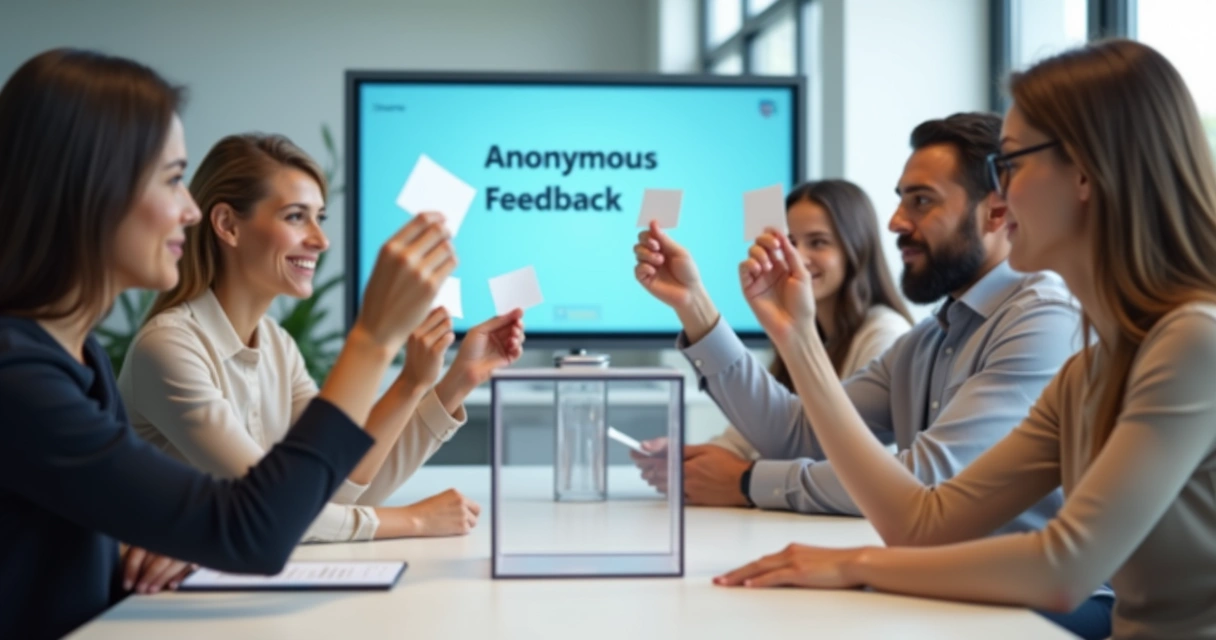
- Use feedback and anonymous methods. Collect anonymous thoughts before meetings, or follow up with surveys that allow free expression without fear of judgment.
Each of these steps brings new awareness. Over time, this awareness can become a habit.
Tools to support objective decisions
Some teams benefit from using concrete tools and methods to reduce bias. We have seen the following strategies help create space for balanced team input:
- Anonymous idea collection: Gathering ideas or votes without naming the source helps remove personal influence.
- Structured decision-making: Using criteria or scoring systems keeps debates focused on facts and impact, not personalities or intuition.
- Meeting roles: Assigning a “challenger” or “listener” ensures all voices are heard and automatic agreement is questioned.
- Rotation of leadership: Letting different people lead meetings prevents the same biases from taking root and gives a voice to new perspectives.
Of course, tools work best when there is team trust and readiness to change old habits.
Barriers to recognizing our own bias
The hardest bias to spot is always our own. We all believe we make decisions for good reasons. Yet, as we look closer, we find that emotion, habit, and old stories mix into our logic.
It takes humility to admit bias. We start by owning the possibility. Taking time to listen—especially when it is uncomfortable—builds self-awareness and trust among team members. When we model this mindset, others follow.
Building a team culture that challenges bias
The real shift happens when teams treat spotting bias as an ongoing journey, not a single task. This requires psychological safety, where people feel okay admitting mistakes and questioning the group without fear of being rejected.
We encourage teams to make bias-awareness a standing agenda item. Check-ins, open feedback, and regular review of team decisions all reinforce the value placed on fairness and honesty.
Every team has bias. The best teams learn to see it and talk about it.
Conclusion
Unconscious bias shapes team decisions in subtle, yet deep ways. The path to fairer, wiser choices begins with awareness, honesty, and a willingness to look inward. When teams make bias visible—and safer to talk about—they create space for every voice to shape the outcome.
As we see it, the reward is not just better decisions. It is trust, respect, and a team culture where everyone belongs.
Frequently asked questions
What is unconscious bias in team decisions?
Unconscious bias in team decisions happens when personal attitudes or stereotypes unknowingly influence the way choices are made within a group. This can lead to favoring certain people, ideas, or approaches without realizing it, instead of focusing fully on facts and open discussion.
How to spot bias in team meetings?
Look for patterns, such as the same team members always leading discussions, ideas from quieter people being ignored, or quick agreement without challenge. Pay attention to which suggestions are easily accepted, and which are dismissed with little discussion. If people say "we've always done it this way," this may signal bias against trying new approaches.
Why is identifying bias important?
Identifying bias improves fairness in decision-making and ensures all team members feel valued and included. It helps teams get better results by considering more options, reducing mistakes, and building trust. When bias is not addressed, teams risk losing good ideas and creating unfair or unsustainable results.
How can I reduce team bias?
We have found practical steps make a difference: bring in anonymous idea sharing, use structured evaluation for proposals, rotate meeting leadership, and encourage questions and new viewpoints. Regularly ask for feedback, and create a safe space for people to admit mistakes or biases. These actions help groups keep decisions objective and fairer for everyone.
What are common signs of unconscious bias?
Common signs include most decisions favoring the same individuals, faster acceptance of ideas from “insiders,” ignoring or dismissing alternatives quickly, and avoiding open debate. Watch for repeated patterns where some voices carry more influence or others are left out, even when their input could help.